Shifting Bankrolls: Patterns in Funding Progressive Jackpots and Multi-Deck Blackjack on Regulated Platforms
Written by Henrik Sullivan · Nov 14, 2026
Shifting Bankrolls: Patterns in Funding Progressive Jackpots and Multi-Deck Blackjack on Regulated Platforms
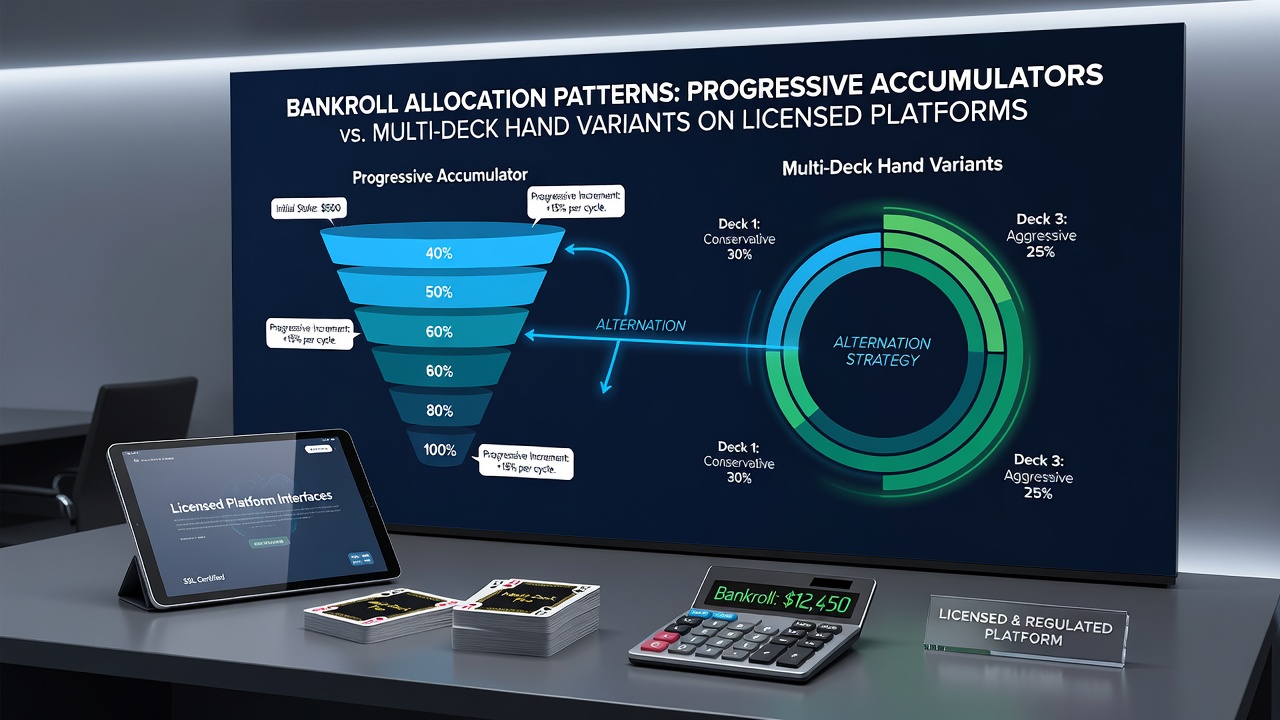
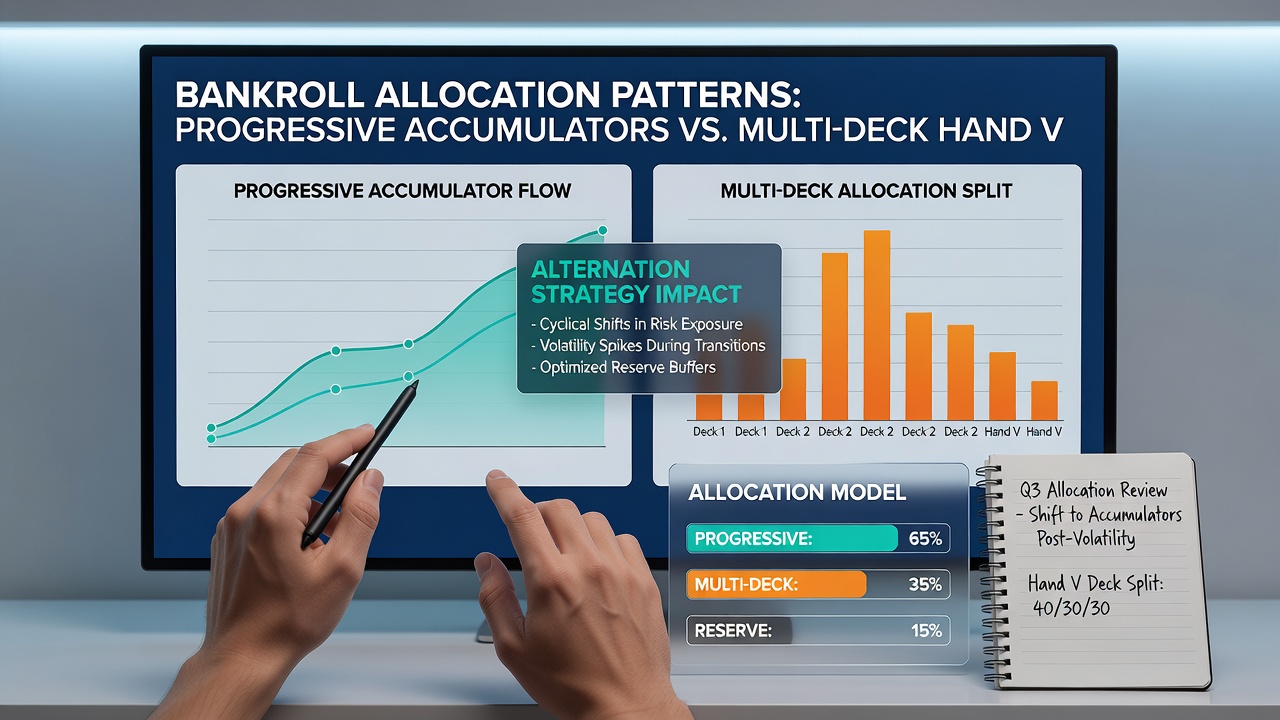
Players on regulated platforms frequently adjust their bankroll splits when moving between progressive accumulators, which feature growing jackpot pools tied to slot play, and multi-deck hand variants that emphasize structured blackjack rules across four to eight decks. Data from multiple jurisdictions shows consistent allocation tendencies where participants dedicate 60 to 70 percent of session funds to progressive options during peak jackpot growth periods while reserving the balance for multi-deck tables that offer lower variance per hand.
Core Mechanics Behind Each Game Type
Progressive accumulators build jackpots through contributions from every bet across linked machines or online instances, and these pools reset only after a win occurs. Multi-deck hand variants require decisions based on visible dealer cards while house edges range from 0.5 to 2 percent depending on rule sets such as dealer hit or stand on soft 17. Observers note that licensed operators track these differences through session logs that reveal how users divide deposits across both categories within single visits.
Observed Allocation Patterns Across Sessions
Studies of transaction data indicate that users often begin sessions with an initial 40 percent allocation to multi-deck variants to establish steady play volume before shifting remaining funds toward progressive accumulators once jackpots exceed average thresholds. This sequence appears in records from platforms operating under oversight from bodies such as the Australian Gambling Research Centre, where monthly reports detail similar sequencing in player behavior. Those who alternate frequently maintain separate tracking spreadsheets or app-based ledgers that flag when progressive contributions reach 1.5 times their starting size, prompting a reallocation back toward multi-deck hands for preservation of capital.
Additional patterns emerge when jackpot resets occur, at which point allocation to progressive games drops sharply for several days while players redirect funds to multi-deck tables that deliver more predictable return rates per 100 hands played. Figures from the New Jersey Division of Gaming Enforcement released in late 2026 highlight comparable shifts around November 2026, with average per-player progressive spend falling 25 percent immediately after major payouts before recovering gradually over the following two weeks.
Factors That Shape These Distribution Choices
Platform features such as real-time jackpot meters and hand-history exports influence how participants decide when to pivot allocations. Research compiled by the National Council on Problem Gambling demonstrates that users who review meter data more than three times per hour tend to increase progressive allocations by an average of 15 percent during rapid growth phases. Conversely, those who set predefined stop-loss limits on multi-deck sessions maintain steadier splits across both game types even when jackpot sizes fluctuate widely.
Regulatory requirements also play a role, with licensed sites mandated to display clear contribution percentages and payout frequencies that help users calculate expected allocation adjustments. In markets overseen by Canadian provincial regulators, transaction audits from 2025 through November 2026 reveal that players who receive automated alerts about approaching jackpot milestones adjust their bankroll ratios more frequently than those without such notifications.
Examples from Platform Data Sets
One analysis of anonymized session records from European regulated operators found that a cohort of 1,200 users allocated an average of 55 percent to progressive accumulators on days when jackpots sat 30 percent above their 30-day mean, then reversed the ratio after each major payout event. Another dataset covering multi-deck table activity showed that participants who split deposits evenly at session start later consolidated 65 percent of remaining funds into whichever game type had produced the most recent positive return streak.
These shifts occur without violating platform terms because licensed operators permit free movement between game categories provided total wagers stay within deposit and time limits. Observers have documented cases where users apply tiered allocation rules, such as reserving 20 percent of any progressive win specifically for multi-deck play to offset variance experienced earlier in the same session.
Conclusion
Patterns of bankroll allocation between progressive accumulators and multi-deck hand variants reflect measurable responses to jackpot size, payout history, and platform tools available on licensed sites. Data collected through 2026 continues to show that structured sequencing and predefined limits guide most observed distributions, allowing participants to move funds while remaining within regulatory boundaries set by oversight agencies in multiple regions.