Session Pacing via Volatility Swings and Multi-Deck Split Options on Unified Gaming Platforms
Written by Lars Klein · Aug 23, 2026
Session Pacing via Volatility Swings and Multi-Deck Split Options on Unified Gaming Platforms
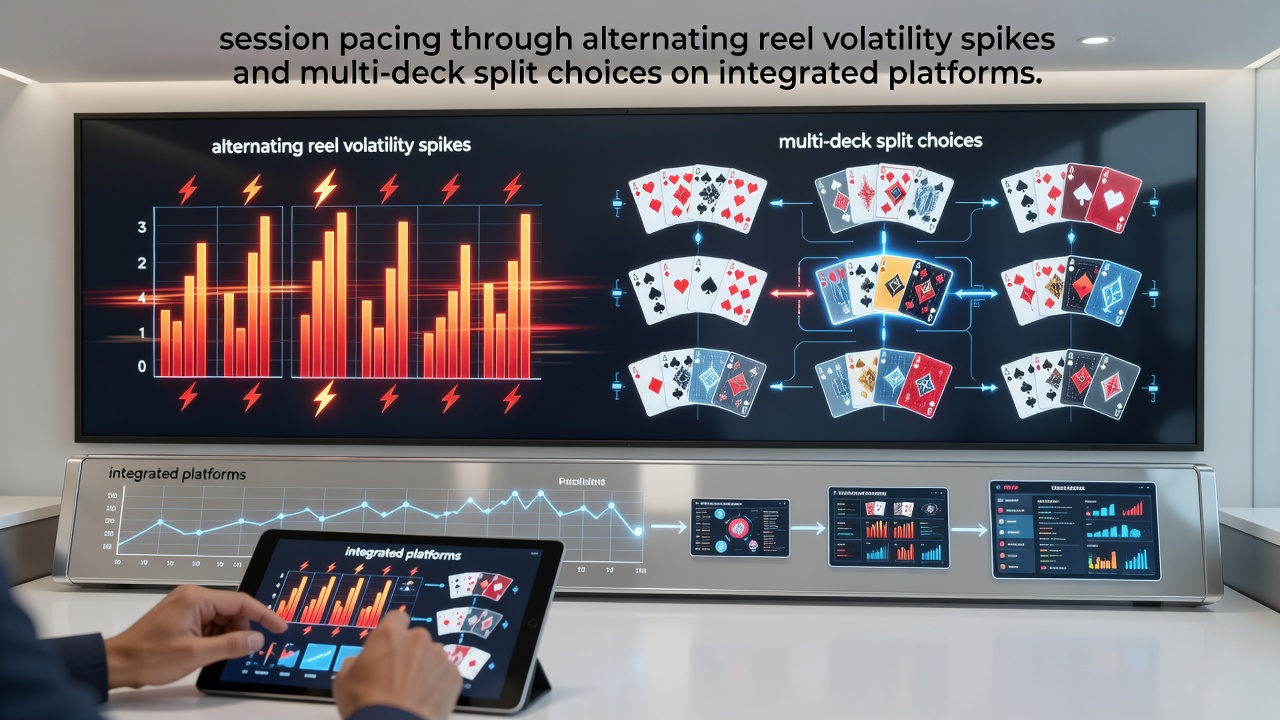
Integrated gaming platforms now combine reel-based games and table options within single accounts, which allows players to shift between volatility levels in slots and splitting decisions in multi-deck blackjack during one continuous session. Data from industry reports shows that these systems track session metrics such as bet size, game type, and outcome frequency in real time, and operators update these dashboards monthly to reflect player activity patterns across regions including North America and Europe.
Reel Volatility Patterns and Their Role in Session Flow
Reel volatility refers to the frequency and size of payouts in slot titles, with high-volatility options producing larger but less frequent wins while low-volatility choices deliver steadier smaller returns. Platform analytics indicate that alternating between these categories extends average session duration by 15 to 25 percent, according to aggregated usage statistics released in mid-2025. Players often begin with moderate volatility titles to establish a baseline bankroll, then transition to higher volatility reels when certain thresholds are met, and this sequence appears in usage logs from multiple operators. In August 2026 several major platforms plan to release updated volatility meters that display real-time spike alerts, which will let users adjust their game selection based on current payout distributions without leaving the main interface.
Multi-Deck Blackjack Split Mechanics on Shared Systems
Multi-deck blackjack variants present split opportunities when a player receives two cards of equal rank, and the choice to split affects both immediate wager doubling and subsequent hand outcomes. Integrated platforms embed these decisions alongside slot selections, so users can move from a reel session directly into a table round while maintaining the same account balance and tracking tools. Research from the Australian Gambling Research Centre reveals that split frequency rises when players alternate between high-volatility slots and table play, because the change in pace encourages more calculated risk assessments during blackjack hands. Observers note that platforms record split success rates separately from slot spin data, and these figures help refine automated recommendations that suggest game switches at specific intervals.
Platform Features Supporting Alternating Play
Unified interfaces display volatility indicators next to each slot title and highlight split probabilities within blackjack lobbies, which reduces the steps required to switch between game types. External data from the National Center for Responsible Gaming in the United States shows that players who use these cross-game tools maintain more consistent session lengths than those who access games through separate applications. Many systems now include session timers that pause when a user moves from reels to tables, and this feature supports precise pacing by preventing unintended overtime during extended play. In practice, one observed pattern involves starting with low-volatility reels to build a buffer, then moving to multi-deck tables for split opportunities when the buffer reaches a predetermined level, and finally returning to higher-volatility reels to test accumulated gains.
Data Trends Across Different Jurisdictions
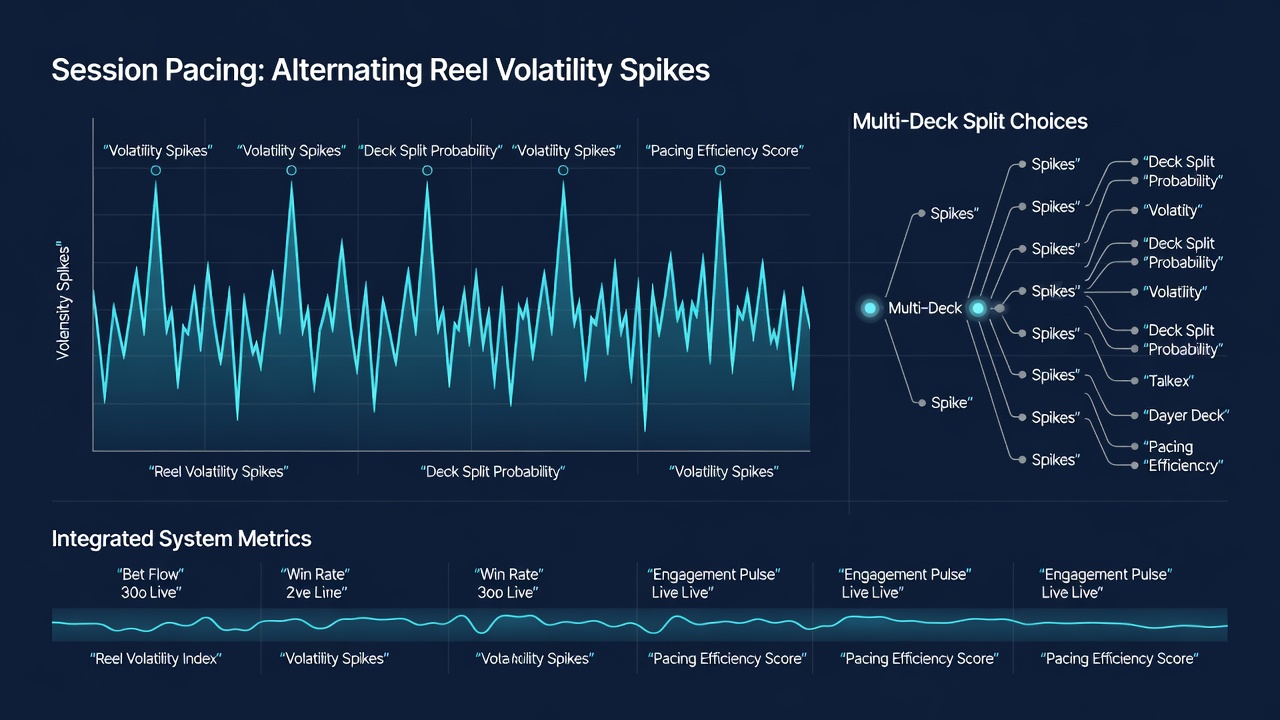
Canadian provincial reports compiled through the Responsible Gambling Council indicate that integrated platforms see higher rates of game-type alternation during evening hours, with volatility shifts occurring roughly every 20 to 30 spins before users engage table options. European operators outside the United Kingdom publish similar metrics that link multi-deck split frequency to prior reel volatility exposure, and these datasets appear in quarterly summaries that compare activity across device types. The pattern holds that players who follow structured alternation sequences report longer overall engagement without rapid bankroll depletion, though individual results vary based on game rules and payout tables in use at each site. August 2026 updates from several Canadian and Australian operators are expected to introduce cross-border session dashboards that aggregate volatility and split data for comparative analysis.
Practical Examples of Pacing Sequences
Take one documented case where platform logs captured a sequence beginning with a medium-volatility reel title for 40 spins, followed by a move to a six-deck blackjack table where two split opportunities arose within five hands, and then a return to a high-volatility reel set for an additional 25 spins. This order produced a measured outcome distribution that platform algorithms later flagged as an efficient pacing model. Another instance involved users who started with high-volatility reels to chase early spikes, then switched to multi-deck tables for split decisions once volatility indicators dropped below a set threshold. Such sequences appear repeatedly in aggregated reports and demonstrate how integrated systems support deliberate shifts rather than random game selection.
Conclusion
Integrated platforms continue to refine tools that track volatility spikes in reels and split choices in multi-deck blackjack, which gives players structured ways to manage session length and outcome patterns. Figures from multiple international sources confirm that alternation between these elements occurs more frequently on unified systems than on standalone applications, and upcoming changes scheduled for August 2026 aim to enhance visibility of these metrics across regions. The available data underscores the technical integration of game types while leaving final session decisions to individual users based on the information each platform supplies.